

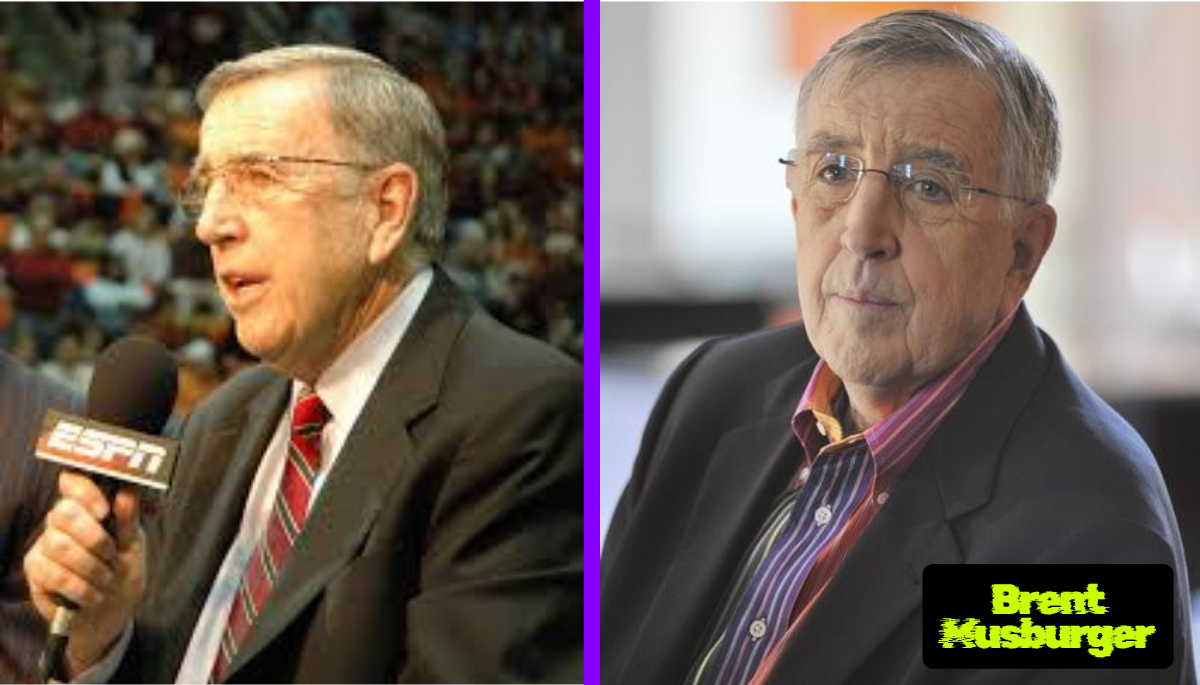
Brent Musburger is one of the most recognizable voices in American sports broadcasting. For decades, his energetic delivery, memorable commentary, and ability to capture the excitement of major sporting events made him a familiar presence in millions of homes. From college football rivalries and professional basketball games to the Super Bowl and the NCAA basketball tournament, Musburger built a career that placed him at the center of some of sports television’s most unforgettable moments.
Unlike athletes who become famous for championships or records, Brent Musburger earned his reputation by telling the stories behind the action. His voice helped transform a close game into a dramatic spectacle, giving viewers a sense that they were experiencing something special. His broadcasts connected generations of sports fans, many of whom remember not only the games themselves but also the excitement he brought to them.
Musburger’s career also reflects the evolution of American sports media. He worked during the rise of national network television, became a leading personality at CBS and ABC/ESPN, and later entered the growing world of sports radio and regional broadcasting. Across these changes, he remained closely associated with college football, a sport whose traditions, rivalries, and passionate audiences suited his broadcasting style particularly well.
But who is Brent Musburger beyond the microphone? His story includes a Chicago upbringing, early experience in journalism, a long career in national television, memorable calls, and a later chapter that brought him closer to the sports culture of Las Vegas. Understanding his journey offers a fascinating look at how one broadcaster became an enduring figure in American sports and entertainment.
Who Is Brent Musburger?
Brent Musburger is an American sportscaster and former television network anchor best known for covering college football, college basketball, professional football, and other major sporting events. Born on May 26, 1939, in Portland, Oregon, he grew up in the Chicago area and developed an interest in sports and journalism long before becoming a household name.
His professional identity was shaped by a combination of reporting experience and on-air presentation. Musburger did not simply read scores or describe what happened on the field. He became known for building excitement, identifying the personalities involved, and giving a game a broader narrative. His style was direct, animated, and accessible to viewers who might be watching a sport casually as well as those who followed every detail.
Over time, Musburger became associated with some of the biggest events in American sports. His work included Super Bowl coverage, NCAA basketball tournament broadcasts, college football games, and other high-profile competitions. His voice became especially familiar to fans of college football, where dramatic finishes and long-standing rivalries offered plenty of opportunities for his enthusiastic approach.
Musburger’s longevity is one of the defining features of his career. He worked across several decades of changing broadcast technology, audience expectations, and sports programming. While many broadcasters become identified with a particular network or era, his career extended across multiple organizations and formats, helping him remain relevant as sports media evolved.
Early Life and Chicago Roots
Although Musburger was born in Oregon, Chicago became an important part of his upbringing. Growing up in a city with a rich sports culture exposed him to the intensity surrounding professional teams, college athletics, and local sports journalism. Chicago’s passionate fan base provided a natural environment for someone who would later make a career out of communicating the emotion of competition.
His early interests led him toward journalism rather than professional athletics. That distinction matters because Musburger’s career was built around observation, writing, and communication. He developed the ability to turn sporting events into stories, a skill that would serve him throughout his time as a newspaper writer and television broadcaster.
Musburger attended Northwestern University in Evanston, Illinois, where he studied journalism. Northwestern’s location near Chicago placed him close to a major media market and a lively sports environment. His education provided a foundation for understanding the responsibilities of reporting, including the importance of gathering information, presenting facts clearly, and communicating with an audience.
These early experiences helped shape the broadcaster he eventually became. His later on-air style was often associated with excitement and spontaneity, but underneath that presentation was a journalist’s understanding of the importance of preparation, context, and storytelling.
How Brent Musburger Began His Broadcasting Career
Before becoming a national television personality, Musburger worked in print journalism. This stage of his career gave him an opportunity to develop the reporting instincts that would later distinguish his broadcasting. Newspaper journalism requires writers to identify the most important details, explain why an event matters, and make complicated information understandable to readers. Those same skills are essential for an effective sportscaster.
Musburger worked as a sportswriter for the Chicago American, where he covered sports and gained professional experience in a competitive media environment. His reporting career helped establish his reputation and gave him firsthand knowledge of how athletes, coaches, teams, and sports organizations operate. It also taught him that the story surrounding a game can be just as compelling as the final score.
His work in journalism was not merely a brief stop before television. It formed part of the foundation of his professional identity. When he later appeared in front of cameras, he brought the instincts of a reporter to his presentation, combining information with personality.
The Move From Print to Television
Musburger eventually moved into broadcasting, entering a medium that was rapidly expanding its influence over American sports. Television allowed viewers to watch major competitions from their homes, while commentators provided context, analysis, and excitement. A strong broadcaster could help audiences understand what they were seeing while making the experience more engaging.
His early broadcasting work included local television in Chicago before he moved into national sports coverage. These experiences gave him opportunities to develop an on-air presence and learn how to communicate effectively within the technical demands of live television. Broadcasting requires more than speaking confidently: commentators must react quickly, coordinate with production teams, follow changing situations, and keep viewers informed without overwhelming the action.
Musburger’s personality was well suited to the medium. He had an energetic delivery and an ability to emphasize the significance of a moment without making the broadcast feel like a formal lecture. As his career progressed, that approach became a recognizable part of his professional brand.
The move from print journalism to television ultimately placed him on a much larger stage. Rather than reporting on sporting events for newspaper readers, he could guide a national audience through games as they unfolded, helping create the shared viewing experiences that define major sports broadcasts.
Brent Musburger at CBS Sports
One of the most important chapters in Brent Musburger’s career began when he joined CBS Sports. His time at the network helped establish him as a leading figure in American sports television and gave him opportunities to cover some of the country’s most important sporting events.
At CBS, Musburger became a prominent host and play-by-play broadcaster. He worked across multiple sports, including college football, professional football, and college basketball. This versatility was significant because major networks often relied on a relatively small group of trusted personalities to guide viewers through different competitions and studio programs.
Musburger’s presentation combined clear reporting with enthusiasm. He could explain the stakes of a game, introduce key players, and create anticipation as a contest developed. That ability made him an effective host for studio coverage as well as a compelling voice during live events.
His role at CBS also placed him within the changing landscape of sports television. As networks invested in bigger broadcasts and expanded coverage, sportscasters became familiar personalities in their own right. Viewers tuned in not only to watch teams compete but also to hear the voices that had become part of their sporting memories.
Covering the Super Bowl and Major Sporting Events
Musburger’s work included coverage connected to the Super Bowl, one of the most prominent events on the American sports calendar. The Super Bowl is more than a football game: it combines athletic competition, entertainment, advertising, and national attention. Broadcasting it requires a presenter who can communicate the importance of the event to viewers with different levels of football knowledge.
His broader CBS assignments also exposed him to the demands of covering events with enormous audiences and high expectations. A national broadcast must provide information for dedicated fans while remaining accessible to casual viewers. The commentator must also respond naturally to unexpected plays, momentum shifts, and dramatic endings.
Musburger’s energetic style was especially effective in those situations. His delivery helped convey the emotion of a close contest and made major plays feel like defining moments. Although the outcome of a sporting event belongs to the athletes, the broadcaster can influence how viewers remember it, and Musburger became skilled at adding a sense of occasion to the action.
These high-profile assignments helped turn him into a recognizable television personality. They also reinforced his reputation as someone who could handle the pressure of live broadcasting, where mistakes cannot always be corrected and every moment may become part of a lasting sports memory.
The NCAA Basketball Tournament and March Madness
College basketball was another major part of Musburger’s broadcasting legacy. The NCAA men’s basketball tournament, popularly known as March Madness, is famous for unexpected upsets, close finishes, and the emotional intensity of elimination games. Its unpredictable format makes it particularly well suited to live television.
Musburger became closely associated with tournament coverage through his work as a host and broadcaster. The event requires commentators to move between games, explain the implications of results, introduce unfamiliar teams, and help viewers understand the broader tournament picture. A successful broadcast must preserve the excitement of individual matchups while keeping track of the competition as a whole.
His experience and enthusiasm made him a natural fit for this environment. College basketball often features players whose careers are still developing, teams with passionate regional followings, and schools competing for national recognition. Musburger’s commentary helped make those stories accessible to a wide audience.
March Madness also demonstrates why broadcasters matter to sports culture. Fans may remember an unexpected upset, a last-second shot, or a team’s remarkable tournament run, but they can also remember the voices that accompanied those moments. Musburger’s work during this era helped make him a familiar presence in the annual rhythm of American sports.
Brent Musburger’s Move to ABC and ESPN
After his prominent years at CBS, Musburger continued his career with ABC and ESPN, further expanding his influence across American sports broadcasting. His work at these networks allowed him to cover additional major events and remain a recognizable voice during a period when sports television was becoming increasingly competitive.
ABC and ESPN occupied important positions in the changing media landscape. ESPN had helped establish sports as a round-the-clock television category, while ABC brought major sporting events to broad network audiences. Their programming created opportunities for experienced broadcasters who could move comfortably between live play-by-play commentary, studio hosting, and special-event coverage.
Musburger’s experience made him valuable in this environment. He had already spent years working with major events, demanding production schedules, and large audiences. His familiarity with different sports also allowed him to move between competitions without losing the confident presentation that viewers had come to recognize.
His career at ABC and ESPN included work on college football, college basketball, and professional football. These assignments reinforced his association with high-stakes sporting occasions and introduced his voice to new generations of viewers. For longtime fans, he represented continuity; for younger audiences, he became one of the established personalities of sports television.
Becoming a Familiar Voice in College Football
College football remained one of the strongest associations with Brent Musburger. The sport offers an unusual blend of athletic competition, regional identity, university tradition, and passionate fan culture. For many supporters, Saturday games are annual rituals connected to family, school pride, and memories that stretch back decades.
Musburger’s broadcasting style suited this atmosphere. He could communicate the importance of a rivalry, build anticipation around a pivotal play, and give a game the sense of a major occasion. His enthusiastic delivery often matched the intensity of the stadium, helping television audiences feel connected to the experience even when watching from home.
College football also demands an understanding of context. A game between two highly ranked teams can influence the national championship picture, while a rivalry contest may matter deeply to fans regardless of the teams’ national standing. Musburger’s years of experience helped him present these different stakes in a way that made sense to viewers.
His connection with the sport became part of his public identity. Even as he worked across several sports and broadcasting formats, college football remained central to how many fans remembered him. For audiences who grew up watching Saturday football, hearing his voice could evoke the atmosphere of an entire era of televised sports.
The Art of Live Sports Commentary
Musburger’s success was not simply a matter of being loud or enthusiastic. Effective play-by-play commentary requires timing, concentration, and the ability to choose the right words while an event is unfolding. A broadcaster must describe the action clearly, identify the relevant players, explain tactical developments, and leave room for the images to tell their own story.
He developed a style that emphasized the excitement of the moment. His voice could rise as a play developed, then shift into explanation once the action stopped. That contrast helped keep broadcasts moving and gave audiences a sense of momentum without requiring every moment to be treated as equally dramatic.
A good commentator also needs to manage uncertainty. Live sports can change in seconds, and the most memorable moments are often the ones no one anticipated. Broadcasters must react honestly to what happens rather than relying entirely on prepared material. Musburger’s long career exposed him to countless unpredictable situations, from spectacular performances to unexpected defeats.
His approach demonstrated how broadcasting blends journalism and entertainment. Accuracy remains essential, but the delivery must also engage an audience. Musburger’s lasting recognition came from his ability to combine those responsibilities, turning the description of a sporting event into an experience viewers wanted to share.
Memorable Moments and Brent Musburger’s Broadcasting Style
Across decades of work, Musburger became known for bringing a strong personality to live sports. He was not a detached narrator who treated every play as just another entry in a scorebook. Instead, he tried to convey why the action mattered, whether the setting was a championship game, a heated rivalry, or a surprising performance by an underdog.
His style reflected an era in which network broadcasters became central figures in the presentation of sports. Viewers learned to recognize their voices, mannerisms, and familiar expressions. For many households, the broadcaster was part of the event itself, helping create the atmosphere surrounding a major game.
Musburger’s work also reached audiences beyond the most dedicated sports fans. His broadcasts often explained the wider significance of an event and highlighted the personalities involved. That accessibility helped make him a recognizable figure even to viewers who did not follow every team or league closely.
The Famous “You Are Looking Live” Introduction
One of Musburger’s best-known phrases was his enthusiastic introduction, “You are looking live,” which became closely associated with his broadcasts. The expression captured his style: direct, energetic, and designed to make viewers feel as though they were joining an event as it happened.
The phrase worked because it communicated more than the fact that a broadcast was live. It created a sense of immediacy and anticipation, inviting the audience into the atmosphere of the stadium or arena. Before the game even began, Musburger could establish the feeling that something important was about to unfold.
Repeated phrases can become part of a broadcaster’s identity, especially when audiences hear them over many seasons. Fans may imitate them, associate them with particular teams, or remember them long after a broadcast has ended. In Musburger’s case, the introduction became a recognizable piece of his television legacy.
Its continued association with him illustrates how sports commentators contribute to the language of fandom. A phrase delivered at the start of a game can become part of the ritual of watching it, creating a connection between the broadcaster and the audience that extends beyond any single result.
Why His Voice Connected With Sports Fans
There are several reasons Musburger’s voice became so familiar. His career lasted long enough for different generations to encounter him, and he worked across sports that attracted enormous audiences. His commentary also carried a distinctive sense of excitement, making him easy to recognize even when viewers were not looking directly at the screen.
His approach was particularly suited to television’s ability to combine images, sound, and storytelling. A camera could show a packed stadium, a player preparing for a crucial moment, or fans reacting to a surprising result. The commentator’s job was to help audiences understand the significance of those images without distracting from them. Musburger frequently approached that responsibility with a sense of occasion.
Another factor was consistency. Sports broadcasting can be unpredictable, but viewers value a familiar presence who can guide them through a major event. Musburger’s experience helped him communicate confidently during high-pressure moments, while his personality gave broadcasts an identifiable character.
That familiarity is one reason his career continues to attract interest. A legendary broadcaster’s reputation is not built only on technical skill. It also depends on the memories audiences attach to that person’s voice, and Musburger became part of the soundtrack of American sports for many fans.
Brent Musburger’s Later Career and Return to the Spotlight
After years in national network broadcasting, Musburger entered a new phase of his career that brought him closer to regional sports coverage and the changing world of sports media. Rather than disappearing from the industry after his major network assignments, he continued to seek opportunities to cover the games and teams that interested him.
In 2017, Musburger announced his departure from ESPN and ABC, bringing an important chapter of his national television career to a close. The announcement attracted attention because he had been a familiar figure on sports television for decades. For longtime viewers, his departure marked the end of a recognizable era in college football broadcasting.
However, leaving a major network did not mean he was finished working. Musburger continued to explore opportunities that allowed him to remain involved in sports coverage. His career demonstrated that a broadcaster’s experience and public recognition can create possibilities beyond traditional network television, particularly as sports audiences increasingly turn to radio, digital platforms, and regional outlets.
His Work With the Las Vegas Raiders
One of Musburger’s notable later roles involved the Las Vegas Raiders. He became a prominent radio voice associated with the franchise after its relocation to Las Vegas, connecting his broadcasting career with a team that had a long history and a passionate fan base.
The Raiders’ move to Las Vegas was a significant development in professional football. The city had been building its reputation as a major destination for sports and entertainment, and the arrival of an NFL team added another dimension to that transformation. Musburger’s involvement connected his experience in national sports broadcasting with the team’s new chapter in Nevada.
Radio play-by-play differs from television commentary. Without pictures, the broadcaster must describe the action in enough detail for listeners to follow the game, while still conveying the tension and emotion of key moments. Musburger’s decades of experience provided a strong foundation for this format, even though the audience experienced the game differently.
His work with the Raiders also reflected a broader shift in his professional life. After spending much of his career covering sports for national audiences, he could concentrate more closely on a particular team and its supporters. It was another example of his ability to adapt while remaining connected to the sport that had shaped so much of his career.
Why Las Vegas Became an Interesting New Chapter
Las Vegas has increasingly become a major sports city, hosting professional teams and large-scale sporting events alongside its established entertainment industry. That combination makes it a distinctive place for sports media, where game coverage exists alongside tourism, live entertainment, and a rapidly growing local fan culture.
Musburger’s professional connection to the city made sense given his long history in sports broadcasting and his familiarity with major football audiences. His experience offered a link between traditional network sports coverage and the evolving media environment surrounding professional teams.
This chapter also illustrated how established broadcasters can continue contributing after leaving national television. Their knowledge of the sport, relationships within the industry, and ability to communicate with audiences remain valuable. Although the platform may change, the fundamental work of explaining the action and bringing a game to life stays much the same.
Brent Musburger’s Personal Life and Family
Although Musburger is best known publicly for his professional work, his personal life has generally received less attention than his broadcasting achievements. He has maintained a long marriage to his wife, Arlene, and his family life has remained separate from much of the public attention surrounding his career.
Unlike entertainment personalities whose private relationships become regular subjects of celebrity coverage, Musburger’s public profile has largely centered on his work. His reputation developed through live sports broadcasts rather than through reality television, celebrity appearances, or an ongoing stream of personal publicity.
That distinction is important when considering his life outside broadcasting. Public interest in a well-known sportscaster does not mean that every private detail is reliably documented or appropriate to treat as established fact. A responsible biography focuses on information that is publicly supported rather than filling gaps with speculation.
Balancing a Long Career With Family Life
A career in national sports broadcasting can involve extensive travel, long production days, and work on weekends and holidays. Major sporting events often take place when other people are enjoying time away from work, meaning that broadcasters must organize their personal lives around demanding schedules.
Musburger’s career spanned many years of that demanding environment. Covering professional football, college basketball, and other major competitions required flexibility and a willingness to work wherever significant events were taking place. Such commitments are part of the profession, although the precise details of how a broadcaster manages family responsibilities are often personal.
His long marriage is one of the publicly known aspects of his life away from the microphone. Beyond that, it is best to avoid making unsupported claims about family relationships, private routines, or personal circumstances. The available public picture is more focused on his professional accomplishments than on intimate details.
For readers interested in the man behind the broadcasts, this balance offers a useful reminder: a familiar public voice belongs to a person whose life is broader than the work audiences see on screen. Musburger’s story can be appreciated through his career and public contributions without assuming access to every aspect of his private world.
Brent Musburger’s Influence on Sports Broadcasting
Musburger’s career provides a useful example of how sports broadcasting developed alongside American television. During his working life, coverage expanded from a limited selection of nationally televised events into a vast media landscape that includes dedicated sports channels, radio networks, streaming services, podcasts, and digital highlights.
Broadcasters who began in one media environment had to adapt as technology and audience habits changed. Musburger worked across print journalism, local television, national network programming, and later sports-focused platforms. That range makes his career especially interesting because it reflects the broader transformation of sports media over several generations.
His influence is not limited to the number of games he covered. It also lies in the way he approached his work: making the competition understandable, creating anticipation, and treating major sporting moments as stories worth telling. Those qualities remain relevant even as production technology and viewing habits continue to change.
The Importance of Personality in Sports Media
Modern sports coverage features a wide range of personalities, from traditional play-by-play announcers to former athletes, studio analysts, digital creators, and independent commentators. Audiences can choose from numerous perspectives, but a recognizable voice remains valuable because it gives a broadcast a distinct identity.
Musburger’s career illustrates how personality can strengthen sports coverage without replacing the need for accuracy. A broadcaster must communicate what is happening, but the manner in which the information is delivered shapes the audience’s experience. Enthusiasm can make an event feel exciting, while clear explanations help viewers understand why a particular moment matters.
His distinctive delivery also shows why some broadcasters become cultural reference points. Viewers may recall a phrase, an introduction, or the excitement in a voice as vividly as they remember the game. That familiarity can turn a commentator into part of the wider sports experience.
At the same time, a lasting broadcasting legacy depends on more than catchphrases. It requires preparation, adaptability, an understanding of the sport, and the ability to perform under pressure. Musburger’s decades of work across different competitions demonstrate the importance of those professional skills.
How New Generations Discover His Work
Fans who followed Musburger during his peak network years may remember him from live broadcasts, while younger audiences may encounter his career through historical clips, retrospective features, and discussions of classic sporting moments. Sports media increasingly revisits the past, allowing familiar voices and landmark events to reach audiences who were not watching when they first occurred.
This rediscovery is part of a broader pattern in sports culture. Iconic games are replayed, memorable calls are shared, and broadcasters are discussed alongside athletes and coaches when people look back at important moments. A commentator’s contribution can therefore continue to resonate long after a particular assignment has ended.
Musburger’s name remains connected to an era when national television broadcasts helped define how many Americans experienced major sporting events. His work offers a point of comparison for modern coverage, where audiences have more choices but still value commentators who can combine knowledge, clarity, and excitement.
His legacy ultimately belongs to the viewers who remember those broadcasts. For some, it is tied to college football Saturdays; for others, it is associated with March Madness or major professional football games. The details differ, but the common thread is the role his voice played in making sports memorable.
What Is Brent Musburger Doing Now?
Musburger’s later career has been associated with his work around Las Vegas sports, including his connection with the Raiders. His professional story is therefore not simply one of retirement from television but of moving between different roles and platforms as his career developed.
Because broadcasting roles and schedules can change, specific claims about his current employment or day-to-day activities should be checked against recent, reliable announcements. His long history in sports media is well established, but a present-day update should not be inferred solely from an earlier role.
For fans, the more enduring point is that Musburger’s influence does not depend on being on national television every week. His years of work have already established his place in American sports broadcasting, and his name continues to be associated with memorable coverage and a distinctive style of commentary.
His career also offers a reminder that sports media professionals can take different paths over time. Some remain in national network roles, others move into regional coverage or radio, and some gradually step away from regular broadcasting. Musburger’s varied career demonstrates how a long-standing connection to sports can continue in different forms.
Conclusion: The Enduring Legacy of Brent Musburger
Brent Musburger built a remarkable career by combining journalistic experience, an unmistakable voice, and an enthusiasm for the drama of live sports. From his early work in Chicago journalism to his years at CBS, ABC, and ESPN, he became a familiar presence at some of the most important events in American sports.
His contributions to college football and college basketball remain central to his reputation, while his work on major professional sporting events broadened his audience. Memorable introductions, energetic commentary, and an ability to communicate the stakes of a contest helped distinguish him from the many broadcasters who have worked across the same landscape.
Musburger’s later involvement with sports in Las Vegas added another chapter to a career that evolved with the industry itself. His journey reflects the changing nature of sports media, but the essential qualities behind his success have remained consistent: preparation, communication, adaptability, and a strong sense of storytelling.
Ultimately, Brent Musburger is remembered not just as the man behind a microphone, but as a broadcaster who helped generations of fans experience the excitement of American sports. The games may be replayed, the teams may change, and new voices will continue to emerge, but his place in sports broadcasting history remains an important part of the story.
You May Also Read:Keith Jackson: The Legendary Voice of College Football and the Remarkable Story Behind His Broadcasting Career
For more visit usaradar.co.uk
